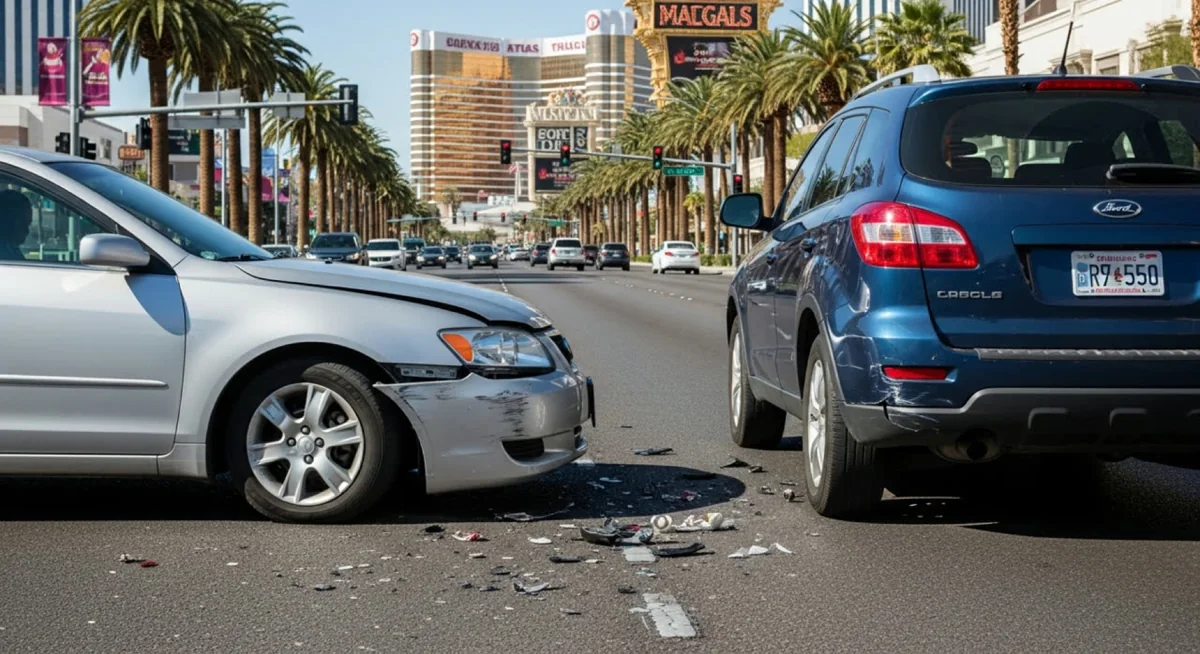
Collisions between passenger vehicles are among the most common injury cases in the valley. A review looks at how the crash happened, the insurance coverage involved, and the injuries you are treating.
Collisions between passenger vehicles are among the most common injury cases in the valley. A review looks at how the crash happened, the insurance coverage involved, and the injuries you are treating.
Crashes involving commercial trucks can pull in several insurers, a carrier, and a driver at once. A review helps sort out who was involved and which evidence matters — driver logs and inspection records among them.
Motorcyclists often face serious injuries and disputes over how a crash happened. A review documents the scene, your injuries, and the coverage that may apply — before accounts drift apart.
When a driver strikes someone on foot, questions of right-of-way and visibility come up fast. A review gathers the reports and witness accounts while they are still fresh.
Collisions involving cyclists often turn on road position and driver attention. A review collects the details that show how the crash happened and the coverage that responds to it.
Crashes involving Uber or Lyft vehicles can involve app-based coverage layered on top of ordinary auto policies. A review identifies which policies may apply to your ride and when.
Injuries on public or private buses can involve transit operators and formal notice rules. A review identifies the operator, the records that exist, and the next steps to discuss with the firm.
Crashes caused by impaired drivers can support claims beyond ordinary negligence. A review looks at the police records, any criminal case, and the documentation of your own injuries.
Falls on unsafe floors, stairs, or walkways turn on what the property owner knew and when. A review focuses on notice, maintenance, and the scene evidence that still exists today.
Injuries caused by unsafe property conditions go beyond falls — inadequate security, poor lighting, and structural hazards among them. A review examines the condition and the owner’s responsibility for it.
Dog-bite cases focus on the animal’s history and the owner’s control of it. A review documents the attack, your injuries as they heal, and the owner’s insurance.
When someone is deliberately hurt, a civil claim can exist alongside any criminal case. A review looks at the incident, the police records, and the sources that can pay for the harm done.
Survivors of abuse can pursue civil claims against the people and institutions responsible. These matters are handled privately; a confidential review explains the options, and you control what is shared and when.
Suspected abuse or neglect in a care facility calls for prompt documentation. A review looks at records, staffing, and the facility’s history, and explains what can be done and by whom.
Injuries on the job can involve workers’ compensation and, in some situations, claims against third parties whose conduct contributed. A review identifies which paths may apply to your injury.
Construction sites involve general contractors, subcontractors, equipment, and overlapping safety duties. A review examines who controlled the work and which rules applied to it.
Forklift injuries raise questions about training, operation, and the machine’s condition. A review identifies the responsible parties and the evidence worth preserving now.
Injuries caused by defective products can be claimed against designers, manufacturers, and sellers. A review starts with the product itself — which is often the single most important piece of evidence.
Claims about medical care require expert review of what was done and what should have happened. A review gathers your records and walks you through what the process involves.
Injuries to a baby or mother during childbirth call for careful, expert review of the labor and delivery records. A review explains what those records can show — on your schedule, not anyone else’s.
Life-changing injuries — spinal damage, amputations, severe burns — shape decades of a family’s life. A review looks at long-term care needs and the full scope of the harm, not only the first bills.
Traumatic brain injuries can seem subtle at first and serious over time. A review connects your symptoms to the incident and the treatment you receive, so nothing gets attributed to the wrong cause.
When negligence takes a life, Nevada law allows certain family members to seek accountability. A review handles these matters with discretion and explains the family’s options — with no cost and no obligation.